
Picture this: You’re enjoying a bowl of fresh cherries on a sunny afternoon, the juicy tartness bursting on your tongue, or sipping a creamy low-fat yogurt that feels light and satisfying. Days turn into weeks, and that nagging joint discomfort starts to fade—no more sudden flares keeping you up at night. What if simple, everyday foods could help your body flush out excess uric acid and ease the pain of high levels or gout?

High uric acid, or hyperuricemia, happens when your body produces too much or doesn’t eliminate enough of this waste product from purine breakdown. It can lead to painful gout attacks, kidney stones, or other issues. While medications play a key role for many, research consistently shows that certain nutrient-rich foods support lower uric acid naturally—by promoting excretion, reducing inflammation, providing vitamin C, or offering protective proteins.
You might wonder, “Can food really make that much difference?” Studies, including those from major health organizations, suggest yes—especially when these foods become regular habits. In the countdown ahead, we’ll explore the top 8 backed by evidence and real-world use, starting from solid supporters to standout stars. Could adding one or two shift how you feel?
Why These Foods Help Manage Uric Acid
These picks are generally low in purines (the compounds that turn into uric acid) while packing antioxidants, vitamin C, fiber, or proteins that aid kidney function and reduce inflammation. Vitamin C, for instance, helps kidneys excrete more uric acid. Low-fat dairy proteins may signal your body to clear it faster. Cherries’ anthocyanins fight inflammation and may directly lower levels.
Consistency matters—pair them with plenty of water (aim for 8–12 glasses daily) to flush things out. Have you tracked how diet tweaks affect your energy or joints? The following foods often lead to noticeable changes over weeks.
8. Whole Grains Like Oats and Barley
Envision starting your day with warm oatmeal topped with berries—the comforting texture and mild sweetness fueling you steadily. Whole grains provide fiber that supports weight management and gut health, indirectly helping control uric acid.
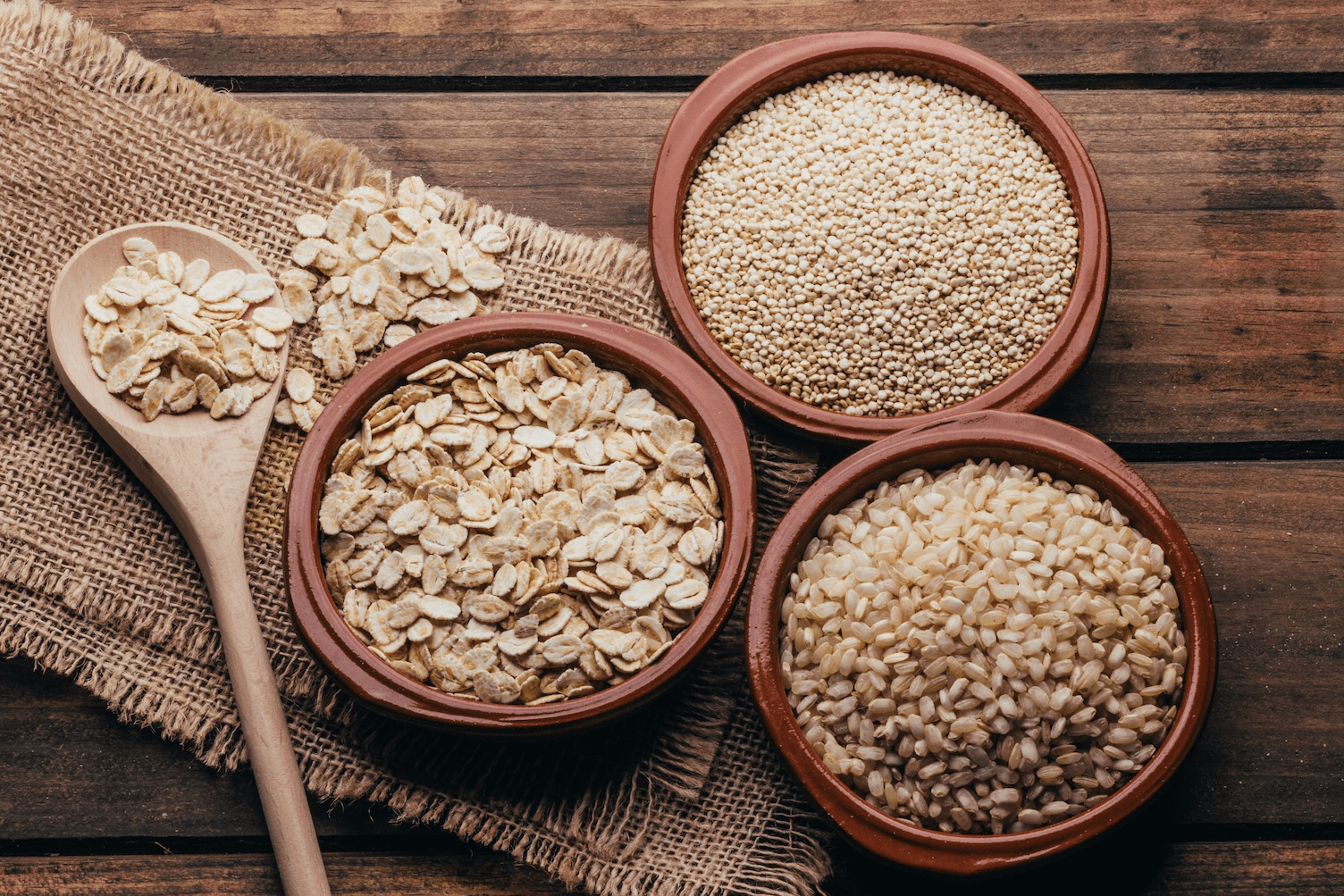
A 2025 study in Arthritis Care & Research found that regular servings of whole grain cereals or oatmeal significantly lowered gout risk. They’re low-purine staples in anti-inflammatory eating patterns.
You might think carbs are off-limits. These complex ones offer steady benefits without spikes.